|
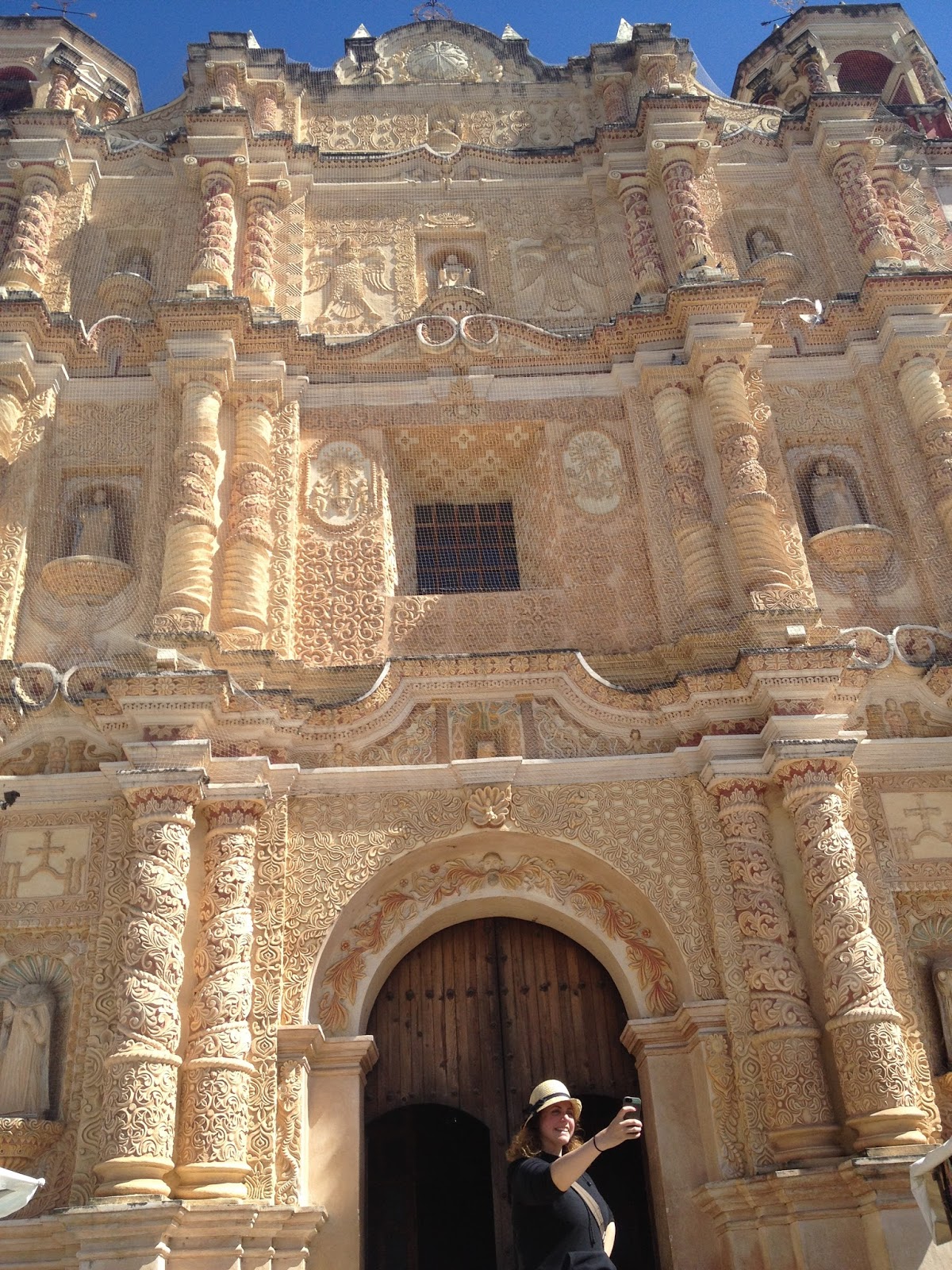
| This pic was taken by my wife, Nicole. She took a few of the pictures below (the better ones) |
Ever since I was a little boy I have been drawn to the idea of exploring the map. This was no doubt influenced by my idle plotting of imagined adventures across my father's globe, the random flipping of pages in a big leather-bound atlas, and our family's annual journeys to Queensland to visit my grandparents.
By the time I was 22 I was cut adrift from everything that had been stable in my life - I hadn't lived with my parents for a couple of years, my first university degree was done and dusted and quietly filed away in a random drawer, and I quit work at Target three weeks before Christmas in order to avoid serving the rabid blood-eyed masses as they poured forth into Westfield shopping centre like the 11th Biblical Plague of Egypt.
I unfolded my dog-eared map of Australia and looked at where I had been. Canberra; cold and educational. Queensland; I had travelled from the Tweedy border-part right up to the Daintree. Melbourne; a cool city with cool trams. Where could I go next? My finger trailed south, along the NSW coast, and landed at the coastal settlement closest to the border: Eden.
I had never heard of it. I looked it up and learned that it had once been associated with whaling; a taboo and arcane industry that Australia has long since distanced itself from. Eden may as well have been the end of the Earth. I've always felt attracted to such places, the ends of the Earth - the barnacles beyond the outstretched fingers, the frayed edges of the map. I vowed to go there.
Fast-forward to now and it's 15 years later. Life intervened and I never travelled there in my supposedly adventurous youth. I'm married now, working as a teacher, and I have a nice place of my own. Things are relatively stable in comparison to the headier days of my early 20s. And so, today, I finally got to my end of the Earth. I currently write this blog entry from Eden.
Here are some photographs of our journey, in which Nicole and I travelled across the Snowy Mountains.


The town of Tumut is at the north-western edge of the Snowy Mountains. Some of the back-areas of the town have really cool street art created by the Tumut Youth Council in collaboration with the Snowy Valleys Council. I really wish my home town, Penrith, would do something like this. This artwork was easily the highlight of the town (in other words, there wasn't much else to see there).


The Southern Corroboree Frog is a species endemic to the Snowy Mountains. The Information Centre in Tumut has a tank with 8 of these unique frogs in it, designed to help raise awareness and funding for their conservation. There are thought to only be about 200 left in the wild, which is quite appalling!
The Corroboree Frog is:
- Poisonous, and could be lethal to other animals if they ingest it. They are the only vertebrate known to science to produce their own poison (as opposed to generating it via diet).
- Not a hopper! They actually crawl in a weird side-to-side fashion (see the first of the two photos above for what I mean).
- A tiny little guy. They grow to just 3 cm.


Adaminaby is a small town of about 300 residents, situated at one of the highest and more remote parts of the Snowy Mountains. During summer it seems incredibly quiet, however, in winter it accommodates tourists attracted to the area for horse-riding, skiing, and trout-fishing. The last of these is what Adaminaby is best-known for, hence the Big Trout pictured above.
The construction of the Snowy Mountains Hydro-Electric Scheme in 1949 led to severe flooding of the township's original location, and so the residents were re-located to the current locale. In 2007, the water levels of Lake Eucumbene dropped enough to reveal the ruins of the original town beneath the surface, leading to significant media interest.

As we travelled across the Snowy Mountains I made use of the internet to look up bookstores we could visit. It turns out that bookstores are quite scant in this part of NSW. In Tumut, we looked for the Between the Lines Bookstore and The Night Owl Book Shop, both of which no longer exist. When we got to the next major town, Cooma, we made our way to Pages of Life, but alas, this also seems to have shut forever as there was nothing in the spot indicated by Google Maps.
Eventually I found Dorothy Dickens' Books and Music in Cooma, and it was a lovely secondhand bookstore with good range in general fiction, locally-based authors, and sci-fi/fantasy.
 |
Sugar Gliders live in the Snowy Mountains. We didn't see any, of course, but we did see an echidna, some kangaroos, eagles, lots of livestock, wild rabbit, wild brumbies, and an emu.


Brumbies have been a staple of the Snowy Mountains for over 150 years and, thanks to the romance of the Australian Bush Legend, they're probably one of the most respected kinds of feral wildlife found in this country. In fact, the attachment of the brumby to Australian folklore (IE. The Man From Snowy River) means that attempts to cull these horses in this region have run afoul of the State government, and there are currently significant problems relating to overbreeding and the ecosystem.


Our final stop along the way was in Candelo, where we ate at the riverside pub seen above. We also pulled over to look at some ponies grazing on the side of the road, and I wandered off under a bridge to find some strange artwork featuring a centaur and what I imagine to be the troll from the Three Billy Goats Gruff story.
About an hour later we pulled in to Eden and found our accommodation. The drive here was quiet but dotted with several interesting townships, and the everchanging scenery reflected dramatic shifts in altitude. The winding view of the high country, with thousands of bone-white gum tree-skeletons clustered together like a giant graveyard of antlers, had a strangely ominous effect on us as we drove through the State National Park.
Each town felt remote and cloistered in its own pocket of history, something that was most evident in the ghost gold-mining town of Kiandra - once Australia's highest settlement but now just a sparse collection of frost-beaten ruins with a bristling but under-used potential for tourism and historical preservation.
The loneliness of today's drive appealed to me in much the same way as this journey across Nevada's desert, taken exactly two years ago with Nicole. Perhaps this solitude is down to the Snowy Mountains being with snow at this time of year but, really, it was this eeriness that probably spoke to me most as it made the day feel exactly as it should - like a drive to the end of the Earth.