A Guide to this Blog

Monday, January 24, 2022

The Canons: The Oscars - Best Film


It's a well-worn discussion within the ever-diversifying community of film critics around the world - is the 'Best Film' Oscar awarded at the Academy Awards a true indicator of quality? 

In a word, no. 

But that doesn't mean that these films aren't without value. Sometimes when the Academy votes a film as the 'Best Picture' of that year, well, they do get it right. But other times, admittedly, there are a slew of films that only get acknowledged through nomination, are overlooked, or are just flat-out ignored. 

I watched each of the winners from the last 90-odd years of the Academy Awards and decided to rank them. Be warned, this is a matter of personal preference - some films (Braveheart, Forest Gump) I found it hard to dismiss because of how much nostalgia I have for them as a child of the '80s and '90s, so this is a list of personal preference. Alongside my gut feeling for each film I also assessed the movies using a range of criteria and scoring them accordingly - giving a score out of 10 for how valuable I felt the viewing experience was, score out of 10 for how entertaining the film was, score out of 5 for performances, and a score out of 5 for how rewatchable it was.

Another disclaimer, this list originated as a Twitter thread (@LukeBartolo1). This means the capsule review of each film was necessarily short to fit the character-limit decreed by Twitter. That said, I've expanded on most of my rankings below since I don't have that restriction here.  

Without further ado, here's the list from my least favourite to most favourite.

94 of 94. The Great Ziegfeld (1936) A biopic about an early 20th century theatre producer. So incredibly boring, long, and without drama. I have no doubt that it's possible to make a salacious and vibrant biopic about the man behind the Ziegfeld Follies... but this isn't even remotely that film. It's very much a casualty of the static production values that characterised many of the first talkies, in which Hollywood production teams believed the existence of a synchronised sound track was of enough interest to keep audiences engaged. In my mind this is easily the worst of all the films to win Best Picture. 


93 of 94. My Fair Lady (1964) An obnoxiously long version of Pygmalion. I much prefer the '30s film version... this musical adaptation just didn't do it for me: I found the songs forgettable, the characterisations extra-annoying, and the set pieces far too extended. Rex Harrison won Best Actor for this and I'm not sure how this happened as it was also the year in which Peter Sellers was nominated for playing three incredibly memorable characters in Dr Strangelove.


92 of 94. Broadway Melody of 1929 (1929) It's not a bad film but it's difficult to see why this would be considered 'best' of anything. It made an impact at the time for its groundbreaking use of sound and music but nearly everything about the film has dated in the many years since. Some scenes are fun (such as those involving the sisters discussing their ambitions) due to the fact that this film was made pre-Hays Code but overall Broadway Melody suffers from the same static creakiness that afflicts The Great Ziegfeld and so many other early talkie films. 


91 of 94. Cavalcade (1933) This adaptation of a Noel Coward play is boring now and was probably also boring back then too. Little has been done to make the play's episodic drama more cinematic, and Cavalcade's melodramatic po-faced sentiment does little to endear the characters or plot developments to a film audience. 


90 of 94. Chariots of Fire (1981) It's an okay movie, I guess, just weird that it won Best Film over Raiders of the Lost Ark and Reds. It's also... really... slow. I don't hate this film, it just doesn't do much for me.


89 of 94. Around the World in 80 Days (1956) Cantinflas is great in this, he's the true star and it's his performance alone that makes this watchable. His bits are generally entertaining but, boy, at a very disjointed three hours this film more than wears out it's welcome. I suspect a lot of its impact in the '50s was due to the myriad surprise cameos but many of these quick appearances will be lost on modern audiences - which calls into question what the Academy means when it says 'Best Film'; are they attempting to establish a legacy or is it just about what was popular that year? 
 

88 of 94. A Beautiful Mind (2001) Watchable but not great. None of the best films of 2001 (Ghost World, Donnie Darko, The Pledge, Storytelling) even got nominated for Best Film so I guess A Beautiful Mind won by virtue of not having much official competition... that said, I'd probably have still given the award to the also-nominated Moulin Rouge.
 

87 of 94. Chicago (2002) Films like this remind you of how old the average voter within the Academy is (as of 2012, the average age is 62). Chicago isn't a great film, it's not even a great musical. 


86 of 94. The English Patient (1996) Like Elaine in Seinfeld, I didn't think this was much chop. Fargo, Trainspotting, or Hamlet should've won for 1996. As it stands, The English Patient is just a little too dull.


85 of 94. Gigi (1958) Charming performances (Maurice Chevalier's twinkling narrator comes to mind) but also an ultimately forgettable musical, which is probably for the best considering how out of time and problematic the film's attitude is towards women and minors. It's actually quite a disturbing film if you look at the way 16-year-old Gigi is being groomed by the 33-year-old Gaston.


84 of 94. Grand Hotel (1932) The all-star cast keeps this melodrama bubbling along but it's very much a stodgy product of its time, with its popularity mostly a result of using actors who could convincingly talk on screen (this was one of the first big ensemble films of post-silent era Hollywood). Young Joan Crawford is easily the standout. 


83 of 94. Out of Africa (1985) Another film that has dated badly. Not particular amazing in any respect, except in getting to see Meryl Streep do another stop on her '80s tour of world accents.


82 of 94. Crash (2005) One of those ensemble 'big theme' films that briefly became very popular in the '00s after the success of Traffic. This long-form lecture on racism is very Hollywood and just not that great a film.


81 of 94. Oliver! (1968) Fun songs, fun performances. I enjoy Oliver! but don't find myself revisiting it very often. I can find something to like about most if not all of the Best Picture winners from this point onwards. 


80 of 94. Ordinary People (1980) A little too ordinary in some respects, but a solid drama buoyed by an Oscar-winning performance from Timothy Hutton, and some great supporting turns from Donald Sutherland, Mary Tyler Moore, and Judd Hirsch.


79 of 94. The Hurt Locker (2008) A visceral and arresting experience, but also a film with some significant flaws that manage to annoy people on both sides of the political spectrum. I was willing to give Kathryn Bigelow the benefit of the doubt on this one but when she later made Zero Dark Thirty I found my perspective on her shifted (and not for the better). Anyway, The Hurt Locker is pulled along by a star-making performance from Jeremy Renner and some intense action sequences.


78 of 94. Driving Miss Daisy (1989)
An entertaining enough film. Driving Miss Daisy is one of the shortest films to win the Best Picture award (it was certainly the shortest up until the 1990s, but I haven't checked beyond that). It's another movie that's a little dated by today's standards in terms of its positioning and treatment of race, but it also has Morgan Freeman in his breakout performance, so there's that.


77 of 94. Terms of Endearment (1983) The mega-weepie of the '80s. Decent drama with some terrific performances from MacLaine, Winger, and Nicholson. 


76 of 94. Tom Jones (1963) An adaptation of a literary classic that won plaudits for pushing the bounds of early '60s censorship (British films were not bound by the Hays Code like their American counterparts and, in a way, this film signalled the end of this self-imposed censorship on Hollywood films). Tom Jones is irreverent, energetic, and a fun period piece with an impossibly young Albert Finney in fine form.


75 of 94. Mrs Miniver (1942) The success of this British WW2 propaganda film was all to do with timing, as it came out just after America had joined the war. That said, it's quite well-acted and well-made. 


74 of 94. The Greatest Show on Earth (1952) Nowhere near as bad as some modern critics would have you believe. There's lots of unnecessary circus fluff but Cecil B. DeMille knows how to create a true spectacle. This film is also worth watching for an early leading performance from Charlton Heston and a surprising supporting turn from Jimmy Stewart (who is in clown make-up for the entire duration).


73 of 94. Cimarron
(1931) This should probably be a lot lower due to its appalling politics and stereotyping (many lists of this sort tend to place Cimarron last) but I can't help myself... Richard Dix's awful and hammy performance is mesmerising, the narrative is an unmitigated car crash of absolute nonsense that you can't look away from, and the production values are truly epic in scope. It's also never boring. 


72 of 94. Slumdog Millionaire (2008) Not a bad film, and always good to see a different kind of story recognised by the Academy. I find it hard to criticise Slumdog Millionaire because it's an enjoyable and uplifting film with some originality. 


71 of 94. The Sound of Music (1965) Some will be scandalised that this isn't higher in my list but it just wasn't a part of my childhood in the way that it clearly was for others. I only watched The Sound of Music for the first time this year. Great songs though, and Julie Andrews and Christopher Plummer are very good in their leading roles.


70 of 94. The Sting (1973) The quintessential long-con movie. It would be higher on my list except for the fact that it's only the 2nd best of the Redford-Newman team-ups. Robert Shaw is great as the Irish mobster villain. 


69 of 94.
How Green Was My Valley (1941) John Ford's gentle and beautiful love letter to Wales, to another time and place, and to the great Golden Era character actors of Hollywood. I'm a sucker for Ford films and it's amazing that more of them didn't make this list (though perhaps not unexpected since a lot of his best films are Westerns, one of the genres often ignored by the Academy Awards). 


68 of 94. West Side Story (1961) I dig it. I'm keen to see the remake. Great concept and execution, just a little overlong. 


67 of 94. You Can't Take It With You (1938) Not Capra's best film by a long shot but it's still full of life and good humour in that patented Capra fashion. Capraesque! You also can't go past Jimmy Stewart, he lights up every film he's in. 


66 of 94. Million Dollar Baby (2004) There's something quite moving in the performances of the three leads that makes this a better film than it should be. A character-driven film elevated by Hillary Swank, Morgan Freeman, and yes - even Clint Eastwood. 


65 of 94. Annie Hall (1977) This is a great film. I find it hard to watch now because Woody Allen makes my skin crawl, but this film gets points for humour, Diane Keaton's performance and iconic fashion, and young Christopher Walken as a very disturbed young man. 


64 of 94. An American in Paris (1951)
Gene Kelly at the top of his game - this film is mostly a series of impressive set pieces loosely connected to a plot that's best not thought about all that much. The last dance number is transcendent art. 


63 of 94. Hamlet (1948) No one did Shakespeare like Olivier. It's not the best film version of Hamlet yet it still has a lot of merit. Laurence Olivier was way too old to play the Danish prince but it doesn't matter, this is the greatest Shakespearean actor doing the greatest Shakespearean character. What else do you need to know?


62 of 94.
Argo (2012) A fun ensemble piece and one of the few thriller-ish movies to win Best Film. I suspect it'll become more forgotten over time but, on it's own terms, it's a fascinating true story well-told, and a great piece of history put on celluloid. 


61 of 94. The Artist (2011) A skilful tribute to everything that made the silent film era so wonderful. A tour de force of editing and inventive visual storytelling, like all the best pre-talkie films. The cast are wonderful too. 


60 of 94. Shakespeare in Love (1998) I know it's got its problems but, look, the '90s weren't a great time for English language cinema in general. I enjoy this film a lot, plus it has Martin Clunes in it - who knew he would ever star in a Oscar-winning Best Film?
 

59 of 94. Titanic (1997) It's hard to deny James Cameron's technical accomplishment in pulling this film off, especially after others had tried and failed. This is a truly impressive staging of the infamous disaster that eclipses every previous attempt and will make it near impossible for anyone to attempt it again for a very long time. Kate and Leo go alright too. 


58 of 94. Kramer vs. Kramer (1979) A hard, poignant, heartbreaking film that takes the most ordinary thing and puts it centre-stage in a way that few films had done before, or had done so well. Masterclass realistic performances from Meryl Streep, Dustin Hoffman, and young Justin Henry. 


57 of 94. All the King's Men (1949) A towering performance from Broderick Crawford and a sadly relevant examination of politics being a journey to Hell paved with good intentions. One of the best American films made about power and corruption.
 

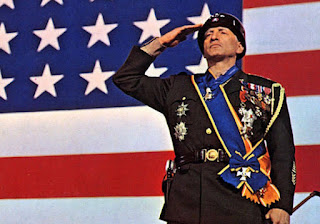
56 of 94. Patton (1970) Another film pulled along by an all-consuming performance, this time by the incomparable George C. Scott as General Patton. A fascinating biopic of a complex and controversial figure. 
 

55 of 94. Going My Way (1944) A pleasant and relaxing comic-drama from a time when the most controversial Catholic priest in cinema was Bing Crosby singing 1940s pop standards in order to keep street kids out of trouble (how edgy!) It's not a big or especially showy film but I love this one for Irish character actor Barry Fitzgerald's performance as the amusingly inflexible Father Fitzgibbon.


54 of 94. Green Book (2018) I feel dirty placing this so high... it's a bit on the nose and misjudged with its incredibly ripe use of the 'white saviour' trope. The performances of Mahershala Ali and Viggo Mortensen are so engaging that I still enjoyed it a lot despite its flaws. Mortensen really transformed himself. 


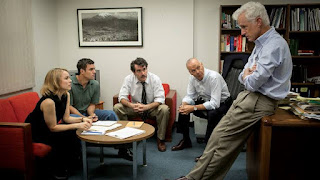
53 of 94. Spotlight (2015) A film as much about journalism as it is about real life institutionalised abuse. For a movie essentially about a bunch of people doing research it's surprising how compelling and by-the-seat-of-one's-pants it is. I kept expecting the film to push into more conventional narrative directions but writer-director Tom McCarthy stays true to the material and manages to keep it razor-sharp. 


52 of 94. The Best Years of Our Lives (1948) Groundbreaking in its depiction of PTSD in the post-WWII context. The Best Years of Our Lives is worth watching especially for real life veteran and double-amputee Harold Russell, one of only two non-actors to ever win an acting Oscar. 


51 of 94. Amadeus (1984) I was obsessed with this film in my early 20s... such a rich, vibrant study of jealousy and of the nature of talent. F. Murray Abraham gives a star-making turn as the resentful Salieri.
 

50 of 94. It Happened One Night (1934) Fast, funny, screwball, road movie romance of opposites attracting. Gable and Colbert were both megastars for a reason. Claudette Colbert in particular gives a great comic lead performance. Hard to fault this early Frank Capra classic!
 

49 of 94. The Life of Emile Zola (1937) Affecting biopic of a controversial historical figure whose persecution highlighted Europe's longstanding anti-Semitic attitudes. Great performance from actor's actor Paul Muni (a young Robert De Niro idolised him). Also an interesting film in the sense that it focused on and pushed through issues that the American censorship board was very much not comfortable with at the time.
 

48 of 94. All About Eve(1950) Marvellously catty drama of stardom and ambition. Great supporting coded performance from George Sanders.


47 of 94. The King's Speech(2010) Well-acted, well-scripted, and genuinely moving dramatisation of recent British Royal history. Also just a great story, and a film that brings history to life while managing to have a wide appeal to audiences. The unshowy but assured direction gives The King's Speech a timeless quality that means it will be very watchable for many years to come. 


46 of 94. Gentleman's Agreement (1947) One of the early 'social issue' pictures that broke new ground in Hollywood by looking at anti-Semitism directly (during the aforementioned 'Hays Code' era [1933-1960], a time of heavy censorship). Good performances; earnest and engaging.


45 of 94. Ben-Hur (1959) The epic to end all epics. William Wyler's classic biblical adventure still thrills and astounds with great action set pieces (like the famed chariot race) and a strong moral core. Charlton Heston holds the screen like few others and would come to exemplify 'the Epic' like few other actors thanks to his work in this film. 


44 of 94. The Last Emperor (1987) Like Amadeus, this was another '80s film that I was obsessed with in my early 20s. A beautiful, elegiac study of a civilisation's decline, and the only English language movie to ever film inside China's Forbidden City. It looks amazing, plus I'm a bit of a sucker for Chinese history - I just find it fascinating.


43 of 94. Wings (1927) One of only three silent films to win Best Picture. Wings is a romantic WW1 epic that holds up surprisingly well thanks to impressive (and death-defying) practical effects and pre-Hays Code humour. Watch out for an obnoxious subtext though!


42 of 94. Rebecca (1940) Alfred Hitchcock's first Hollywood film and - amazingly - his only Best Picture win. Rebecca is a suitably tense adaptation of the classic gothic novel, though it does bowdlerise the lesbian undertones of the novel. Laurence Olivier and Joan Fontaine are great in their leading roles. 


41 of 94. Nomadland (2020) A timely and insightful portrait of displacement and poverty among ageing women in the Western world. Frances McDormand is the perfect foil for America's haunting post-Route 66 landscapes, and both absorbs and reflects the ambivalence of her character's situation.


40 of 94. Mutiny on the Bounty (1935) The best of the three major film versions of this story. Charles Laughton is the greatest Captain Bligh, and this film still holds up nearly 90 years later as a great blend of history and character-led drama.  


39 of 94. Sunrise (1927) One of the times the Academy got it right. With Sunrise, the Oscars recognised a groundbreaking piece of art when it was first released (rather than retrospectively). Sunrise frequently appears on critics' Top 10 Films of All Time lists for good reason. Visually dazzling, morally complex and ambiguous, and something that resonates all through the ages - Sunrise is an astounding film that stands as testament to the inventiveness and creativity of the silent film era. 


38 of 94. Platoon (1986) A potent and visceral memoir of the Vietnam War experience as directed and written by veteran-auteur Oliver Stone. One of the times America took a long, hard, bitter look at one of its biggest mistakes. Unforgettable.


37 of 94. Twelve Years a Slave (2013) Hard to believe that it took until 2013 for the first black-centred and black-authored U.S. slave narrative to make its way to the screen. Steve McQueen brings this painful piece of foundational history to life with expert craftsmanship and a sure eye for detail. Perfectly pitched. 


36 of 94. Marty (1955) In an era of glamour and square-jawed studio stars, the sincere realism of Ernest Borgnine's friendly butcher Marty really stands out as a welcome slice of authenticity. There's something universal about this 'little' story of a bachelor's once-in-a-lifetime shot at love and happiness. It must have been surreal for people in 1950s America to see something much closer to their own lives on the screen than the usual polished Golden Era studio stories they were accustomed to. The writing and acting of Marty both transcend their time.


35 of 94. The Lord of the Rings: The Return of the King (2003) Let's be honest, this represents Peter Jackson's entire Lord of the Rings trilogy. This was a big event at the time. The special effects have dated remarkably quickly but the power of the adaptation hasn't diminished.


34 of 94. A Man for All Seasons (1966) Paul Schofield, a master-thespian in one of his rare screen appearances, dominates this compelling adaptation of the play of the same name (in which he originated the leading role). As a dramatisation of Sir Thomas More's ideological defiance of King Henry VIII, it's hard to think of how this could have been sharper or classier.    


33 of 94. No Country For Old Men (2007) Hard-boiled neo-noir / neo-Western from the Coen Brothers at their peak. There's a certain vicarious joy in watching everything unravel as Javier Bardem's mesmerising psychopath stalks the screen as a modern-day Angel of Death. Great performances from Josh Brolin, Kelly Macdonald, and Tommy Lee Jones as well. 


32 of 94. From Here to Eternity (1953) All-star account of American soldiers in Hawaii and the unexpected Japanese attack on Pearl Harbor that heralded U.S. entry into WWII. Iconic and unforgettable (that beach scene between Burt Lancaster and Deborah Kerr! Montgomery Clift in an Oscar-nominated performance! Frank Sinatra in his breakout dramatic acting role!), and one of the great classics of Golden Era Hollywood. 


31 of 94. Lost Weekend (1945) One of the first great Billy Wilder films (he has many, one of which turns up further down this list). Lost Weekend pushed the envelope on appropriate film content in the 1940s while combining wit with substance. Ray Milland's role as the hapless alcoholic at the film's centre was the highlight of his career. 


30 of 94. Gone With the Wind (1939) There aren't many films that do what Gone With the Wind does or do it as well... it's a romance, a war film, a historical epic. Most of all it's a powerhouse vehicle for both Vivien Leigh and the majesty of early technicolor. 


29 of 94. The Apartment (1960) Billy Wilder's mature dramedy features Shirley MacLaine and Jack Lemmon at their best. You have to read between the lines to understand the full extent of what these characters mean to each other, and the events that are taking place. A memorable fable for the modern age and a film that helped signal the end of the Hays Code. 


28 of 94. Braveheart (1995) It's one of the most historically inaccurate films ever made and is an incredibly manipulative piece of filmmaking, but I also watched it endlessly as a teenager and I love Patrick McGoohan (who plays the villainous King Edward Longshanks). I remember being 15 and going off to research the figures from this film, only to find out how weirdly distorted Mel Gibson's version of events was. I loved finding out the real history for myself so, in a way, this film helped start my journey in eventually becoming a History teacher! Anyway, Braveheart is a great 'popcorn' flick, as they say.


27 of 94.
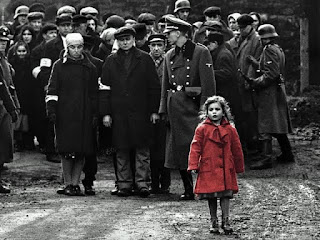
Schindler's List (1993) It would be hard to not know what this film is or what it's like, such has been its ubiquity whenever someone discusses Holocaust cinema. And for good reason. Steven Spielberg was already a technically-ambitious director when he attempted Schindler's List but had only delved into the realm of more serious dramatic fare once or twice. This resulting film was (and is) unforgettable and searing.


26 of 94. In the Heat of the Night (1967) The archetypal progenitor of the 'cop-uncovers-ongoing-racism in the Deep South' crime subgenre. Still compelling 50 years later thanks to the acting of Sidney Poitier and Rod Steiger as the odd couple police officers brought together by a murder case.


25 of 94. The Departed (2006) A sprawling Boston mob saga of stressed loyalties and deep cover. I actually prefer Scorsese's grandiose streetwise version to the stripped-back Hong Kong original (the minimalist Infernal Affairs). The Departed also gets points for its use of the songs 'Gimme Shelter' and 'Shipping Up to Boston'. 


24 of 94. The Shape of Water (2017) It's rare to see fantasy films recognised at the Oscars but Guillermo Del Toro's fable of 'otherness' couldn't be more deserving. A compelling portrait of love, marginalisation, and empowerment - also full of humour and humanity. 


23 of 94. Gladiator (2000)
Before Lord of the Rings and Marvel, Ridley Scott was the first to redefine the blockbuster for the 21st century with this unexpected return to the spectacle and splendour of the 'Sword and Sandals' epic. Joaquin Phoenix's Commodus is an entertaining proto-Joffrey.


22 of 94. Rocky (1976) For better or worse, without Rocky we wouldn't have about 200 boxing, sports, rags to riches, or Sylvester Stallone films. Sequel-heavy legacy aside, Rocky remains a charming and invigorating 'small' movie of one man against the odds. 


21 of 94. Rain Man (1988) There are some elements that are problematic but I find it hard to dislike Rain Man. For many it was the first time autism (or something like it) took centre-stage in mainstream cinema. Dustin Hoffman and Tom Cruise make a surprisingly watchable duo. 


20 of 94. Casablanca (1942) A great WWII noir-ish romance set in the shadows of Nazism. Endlessly quotable, memorable performances, and still admirable for its strong anti-fascist message. 


19 of 94. American Beauty (1999) This film signalled the end of the '90s and all that the nuclear family had endured in the name of pop culture up until that point. The Burnham family's schadenfreude-like collapse fuels an engaging tragicomic-drama filled with arresting characterisations, darkly funny performances, and memorably subversive scenes. Let's just not talk about Kevin Spacey. 


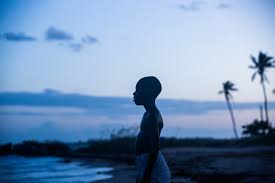
18 of 94. Moonlight (2016) A beautiful and delicately tense film that's more groundbreaking than most people realise (note that it doesn't end in tragedy or heartbreak like a lot of LGBT-centric representations in mainstream cinema throughout the '90s and '00s). Mahershala Ali's supporting role is loaded with so much symbolism... I found this film riveting from start to finish. 


17 of 94. Dances with Wolves (1990) Not the best of the 1990 nominations (I'd have awarded Goodfellas) but the one that won and, as such, still a great film worthy of attention. Dances with Wolves is a flawed yet moving epic in the David Lean mode, and one of only three Westerns to win Best Picture. Its imagery and tragic undertones resonated with me for a long time in the '90s! 


16 of 94. Midnight Cowboy (1969) Same old story of a country boy who comes to New York, falls on hard times, becomes a prostitute, and befriends a decrepit street survivor. Dustin Hoffman is perfection as the proto-Costanza outcast Ratso Rizzo. Disturbingly memorable - but the most shocking thing about Midnight Cowboy is probably that the Academy was courageous enough to give it the Best Film award. 


15 of 94. Gandhi (1982) It's not an envelope-pushing film but I place it so highly in this list because it's a great story well-told. There's an art to doing cinematic justice to a historical figure like Mohandas Gandhi, and Gandhi is easily one of the best of the biopics that the Academy has awarded. 


14 of 94. Forrest Gump (1994) It's hard to overstate how massive Forrest Gump was in 1994. Suspect political subtext aside, it's a very fun film with some still-amazing special effects. Tom Hanks sells the character so completely, and the irreverent tour of the American 20th century is undeniably entertaining. 


13 of 94. All Quiet on the Western Front (1930) It would be a long time before Hollywood experienced an anti-war film quite like this again. The Hays Code that came into full effect about 3 years after All Quiet on the Western Front, making it impossible for films of this thematic nature to be put on the screen (at least this explicitly) until about 1960. The message holds up... it's still perhaps the most haunting and authentic WWI film. 


12 of 94. Unforgiven (1992) Brutal, uncompromisingly revisionist Western in which Clint Eastwood deconstructed both his own image and the myth of the old West. Complexly layered and visually arresting.


11 of 94. Parasite (2019) I think about this movie a lot. I'm still thinking about it now. Such a hypnotic mix of social commentary, humour, suspense... Bong Joon-ho also creates perfect mise en scene - the sequence where the family's hovel fills up with floodwater is incredible. 
 

10 of 94. The French Connection (1971) The gritty '70s cop thriller to which all subsequent alike films owe a massive debt. Gene Hackman's Popeye Doyle is one of the great indelible anti-heroes of cinema. Intense and darkly electric, and featuring an all-time great car chase.
 

9 of 94. On the Waterfront (1954) Elia Kazan made this film for a shitty reason but Marlon Brando's characterisation of Terry Malloy saves it. Brando's method-work here is one of the most influential performances in all of cinematic history, and he surprises in so many subtle ways. Brando is so good in this that he singlehandedly pushes On the Waterfront into the Top 10.


8 of 9. Lawrence of Arabia
(1962) Another film built around a towering performance, this time it's Peter O'Toole offering a morally complex and ambiguous characterisation amidst David Leann's grand WWI-adjacent desert scenery. A truly unforgettable experience.


7 of 94. Birdman (2014) Absolutely incredible, and finely acted by everyone in it. Sometimes I think that everything that can possibly be done in film has already been done, but Birdman defied my expectations on multiple levels. It's one of those films where I couldn't get my head around how they actually made it. Incomparable. 


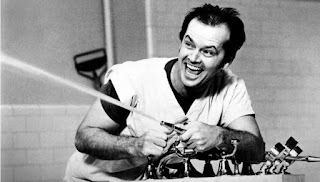
6 of 94. One Flew Over the Cuckoo's Nest (1975) Institutionalisation, conformity, individuality, authority, freedom... this thematically-rich modern fable is one of the great pieces of American cinema. It also features the archetypal Jack Nicholson role. 


5 of 94. The Silence of the Lambs (1991) Much is made of Anthony Hopkins as Hannibal Lector but that's not the only reason why this film remains one of the greatest psychological crime thrillers ever made. Silence of the Lambs is perfectly constructed, eerily creepy, and also features Jodie Foster in top form.


4 of 94. The Godfather Part II (1974) Francis Ford Coppola made lightning strike twice with this - the best sequel ever made. The Godfather II adds to the themes of the first film in new and meaningful ways. It also features Robert De Niro in his breakout star-making role, and presents an unconventional and compelling dual narrative. Hard to place at number 4 on this list - could be higher on some days!


3 of 94. The Deer Hunter (1978) Few films about PTSD, the far-reaching impacts of war, and the lives of the working class pack the same visceral and emotional charge as The Deer Hunter. Few films have scared me as much as this film's infamous Russian roulette scenes. 


2 of 94. The Bridge on the River Kwai (1957) David Lean's POW film expertly balances character-based conflict with action, adventure, and the ambiguities of war. Cue Alec Guinness in his Oscar-winning performance with that fantastic final line... I love this film so much. 


1 of 94. The Godfather (1972) And here's my Number 1. I looked hard at the list and considered the way in which my taste has changed over time, the changing nature of cinema itself, and I still couldn't go past The Godfather. I've watched it dozens of times and it never ceases to impress me. It's a beautiful, operatic meditation on the corruption of the American dream, and it features so many great scenes and performances. It's perfect cinema. 

Sunday, January 16, 2022

Goodbye Target

Target Penrith: The Last Days

Back in 2000, when I was 20, I found myself living in the kind of rental property reminiscent of The Young Ones and John Birmingham's He Died with a Felafel in His Hand. I needed a job, one that didn't need to wait for my university degree to be finished, and so I applied to Target in Penrith. I got that job and was promptly assigned to the section known as 'Brown Goods' (this is what they used to call television and radio appliances, due to the faux-wood finishes these products typically had in the late '70s). 

I only worked there for two years but it was my first full time job so I remember it very clearly.

Yesterday, 22 years later, I popped down to the store as it prepared to shut its doors. Our local Target had no doubt been impacted by pandemic economics, Westfield's notoriously high rent, and Penrith's intense need to make room for a fourth Coles grocery shop.

It was surreal walking around in the half-cleared store. It had already undergone a significant refurbishment long after I'd stopped working there but parts of it had remained unchanged, so it was... I dunno, I don't want to say it was sad per se, it just felt like the last lingering gasp of my earlier life had finally disappeared, and this felt strange. It was like an unexpected coda to a song that I had heard a long long time ago. 

I was so young when I worked there. My parents had divorced and I was prompted to find my own place, meaning I was living on my own for the first time and learning how to do things like:

  • Making leftovers last for a whole week
  • Complaining to the real estate when things in the house needed fixing
  • Being friendly enough to the neighbour so that he wouldn't steal from us
  • Undertaking a five-shift-a-week retail job

My shift was usually either from 6 am in the morning until midday, or from midday to 6 pm. I preferred the morning shift as the first three hours of the shift were customer-free and ending at midday meant that I had the rest of the day to do whatever I liked. The afternoon shift always dragged because there'd be less customers. I'd watch the wall of TVs every afternoon from my counter... I was very well-informed about Heartbeat and The Bill after several months. 

Life Under Rod

It's all coming back to me. I had three section managers in my time at Target; the later two were fine to work with but the first of these was this really tall guy named Rod and he was a bit of a jerk. Rod would constantly be telling me to get out onto the floor or go to other sections to tidy things up because he didn't like seeing me just standing around in the customer-free Brown Goods section. He had a very nineties goatee, never tucked his shirt in properly, and was probably only 5 years older than me. After he'd berate me, I'd wander back and forth past the kitchen and manchester aisles, pretending to dust and half-heartedly asking customers if they wanted a hand with anything. I was never sure what exactly was expected of me in the quiet twilight times between the big sales. 

If I was looking especially lazy, Rod would grab one of the wheeled-cages from the back dock and bring it out, telling me to unpack it onto the shelves. I didn't mind cage duty, it helped pass the time quicker. Sometimes the front registers would request assistance from floor staff but Rod made sure to prevent the registers manager from training me up for my first 8 months there, that way he could keep me on the floor where he wanted.

Rod was a dickhead. As mentioned before, I liked the other two managers I had after him but Rod, he had disturbing anger issues and was kind of dodgy. Once, when his sections were a couple of thousand dollars off making budget for the week, he went and personally laybuy-ed (laybought?) several outdoor heaters. Once the week clicked over, he refunded his laybuys so he could get his money back. 

Another time he struggled to move one of the wheeled-cages around a corner. He was a big dude, well over 6 foot and quite large in frame, and as the cage hitched on something I watched him go from zero to a hundred in the space of a few seconds. His face bloomed into a vivid shade of purple and he noisily ripped down several nearby shelves in the wordless rage that followed. He stared at me, eyes and forehead vein popping, breathing heavily, his shirt untucked and tie askew, saying nothing but daring me to interact with him. It's a vivid memory.

He also frequently made fun of how quiet I was, calling me a nerd and goading me by making lewd comments about any women that walked past us. Stand-up guy, that Rod. 

Strange to see it so empty now.

Double Time and Other Tales

I was naive. Once I showed up for a shift at 6 am after working until midnight on stocktake. One of the big deputy managers realised that I didn't have a gap of 8 hours between my shifts, which meant I was on double-time. They told me to go home but I actually spoke up for once and told them I'd gotten up at 5 am to catch the bus in and that it wasn't fair for me to go to all that effort only to be sent home because they wanted to save money. They responded by cutting my shift in half so that I still only got the same pay as normal. I didn't push it but I should have. 

I made sure to spend half an hour in the toilet that morning. Nothing like getting paid double-time for doing nothing. 

The best stories I have from Target are related to the customers. Target is basically only a small step above a discount store like Go-Lo, so you tended to get the lowest common denominator among the clientele. Most customers were just regular people but you would also get some real doosies in there too. Here are some of my favourites:

Angry Easter Bunny Woman: Easter was especially stressful - the chocolate section would get literally smashed. Every second chocolate bunny would get caved-in and busted apart by crazed customers. I remember once a woman came storming into the chocolate section while I tried to tidy it up and began to berate me. She yelled at me, "The front registers charged me 50 cents too much and it just isn't good enough!" She pointed to the ticket on the shelf to highlight to me what she should have paid. I shrugged, said I had no idea what had happened at the registers, and I told her she should go talk to them. But of course, the registers were incredibly busy and she didn't want to line up for all that time to get such a small refund. I told her I didn't know how to help her if she didn't want to line up for her refund and she went NUTS. "You can't rip me off! Who do you think you are!" etc, etc. I just wanted her to go away so I ended up pulling fifty cents out of my pocket and gave it to her. 

Customer Complaint: Another time, the Deputy Manager (a little guy in an oversized suit who looked and acted like Michael Scott from the U.S. Office) was called up to the front to deal with an angry couple who wanted a refund. He refused to give them their refund (Target was very tight-fisted about this kind of thing, even if the customer had a valid reason for refunding) and the couple kept arguing and arguing, hoping to wear him down. Michael Scott wouldn't budge though and the singlet-wearing, mulletted husband pivoted to a completely different tactic... "Are you staring at my wife's tits?" It was an incredibly awkward and sudden shift in dyanmics and Michael Scott had them out of there with their refund quicker than you could say "sexual harassment accusation". 

Self Serve Lollies: One of my jobs was to patrol the self-serve confectionary section. This was like what you see in a lolly shop; a few rows of big plastic tubs full of different lolly varieties and you could fill up a certain sized bag for x amount of dollars. People would come and fill up before they went to the cinema, and every now and again I'd catch one of the managers out the back eating them in their section of the storeroom. She'd look sheepish whenever she was sprung and would make out like she was doing something else but her mouth would be jam-packed with caramel jerseys so it was always kind of obvious. 

Anyway, Target eventually phased this section out because it was an absolute shit-show in terms of teenagers and toddlers stealing from it but I'll never forget walking by and seeing a 4 year old push his whole head into one of the tubs. I called his mum's attention to what he was doing as he pulled out a handful of lollies and stuffed them into his mouth. The mother screamed sharply at him "No, put them back!" and quickly grabbed his wrist. The boy was promptly made to actually spit his lollies back into the tub by his own mother. Thanks lady.

You might be wondering what I did next. The answer is nothing. I didn't ever eat them so I didn't care. 

'Prank': It was around 4 pm in the afternoon and I noticed this 9-year-old boy was running around the outdoor furniture section making noisy gun sounds and kicking things over. I couldn't catch him but had to keep an eye on him in case he tried to steal anything. Anyway, I chased after this kid for about ten minutes with two other staff members before he ran out of the store laughing. It turned out he was running interference while his friend was doing something much worse on the other side of the store. 

His mate was the same age. While we were chasing the shooting-noise kid around, old mate was squatting on the other side of the store and depositing a big ol' pile of turds. He got caught by the section manager just as he pulled his pants up and we all watched as security marched him out. 

The clearest image in my mind from this day was of this kid looking really triumphant. His hands were held firmly behind his back by the security guard but the grin on his face could not be restrained. This kid would be about 29 now and I sometimes think about him and wonder if this prank in Target was the moment where his life peaked.

Contrary to what most customers thought, Target didn't employ regular cleaning staff at this time. Most of the 'tidying' was left to sales staff like myself. Management assumed they could ask one of us to clean it up but they assumed wrong. Tai, an older Kiwi lady from the manchester section who was also our union rep, got up in management's business pretty quickly. She advocated for all the younger staff like myself because, you see, when you get paid minimum wage you tend to have a very clear view of what's in your job description. There wasn't anyone working that day who believed they should have to pick up human shit. The stand-off was intense but, in the end, the section manager wasn't prepared to take Tai on. She barked at us all to "Get back to work!" and then wandered off to clean up the mess herself. 

So yeah, join your union.

I never had much to do with the shoe section.

Alarm Bandit: There was this old drunk bloke who would wander into Target about once a fortnight. He was skinny and unshaven and his eyes had this rheumy, dazed look about them. It was impossible to have a conversation with him as he'd just look right through you. We had to be on alert because he would come ambling in from the Red Cow pub and then stumble around for an hour before exiting through the fire door, causing chaos as the alarm would then go off. Once I watched him make his way out to the back dock only to reappear shortly afterwards, the back dock guy sort of gently pushing him back out onto the shop floor like a wayward sheep that had ended up in the wrong pasture.

Footchase: My best story is about a shoplifter and I promise you there is no embellishment here whatsoever. 

Theft was an everyday occurrence at Target. We would get shoplifters all the time and usually they would target the Brown Goods section because they wanted to steal DVD players. They'd ripped these out of the boxes and would then sequester them in the bottom of their prams. A popular method for stealing would be to load up a trolley with a big TV and then simply make a run for it through the fire exit. The alarm would go off but once the thief was outside there was no real way of stopping them because store policy was to not chase them. We had a plain clothes security guard but there was only one of her and the store was massive; she just couldn't be everywhere at once. She was a nice enough lady and was very good at spotting thieves. You would never think she was a security guard to look at her. 

One day the plain clothes security guard spotted this massive, six-foot wall of human flesh in snap-trackies. He and his partner had loaded up the pram with clothes and a DVD player and some other things. The security guard stopped them at the front of the store and the guy's partner couldn't go anywhere because she had her pram (there was a baby in there as well). The wall of flesh didn't stick around though and he legged it straight away, leaving the Mrs and their baby behind. Penrith can be classy like that sometimes.

The security guard saw myself and a co-worker, Jordan, near the registers and shouted at us, "Stop him! Stop him!" I knew we weren't meant to give chase but I was 21 and working a boring job. If someone told me to do something I just did it. So Jordan and I ran after Flesh Wall (that's what I'm calling him now).

Flesh Wall slid across the polished floor outside of Target and made straight for the fire exit. He punched through the doors with a loud bang and we barrelled after him before the doors could even shut again. The corridor would have only been about twenty or thirty metres long but it seemed a lot longer at the time. Flesh Wall peered over his shoulder and saw us coming after him, so he kept on running.

Jordan and myself pushed through the other end of the corridor into the back dock and saw Flesh Wall disappear into the fire stairwell that led up to the next level of Westfield's carpark. We followed him up the stairs, our rapid footfall echoing on the concrete. We didn't even shout anything after him, we just ran and ran.

When we came out of the stairwell on the second level of the carpark we instinctively spread out. I went to the right and Jordan went to the left and Flesh Wall got caught between us. He ran around a parked car and stopped between its bonnet and the balustrade that lined the edge of the level.

I just sort of... stopped. What was I doing here? I had my arms spread out like I was trying to calm a wild animal and Jordan was doing the same thing. This guy looked really really scary, he was wide and tall and had tattoos all his face and neck... and this was 2001 before tattoos became mainstream

It was at this point that I finally questioned what we were trying to do.

I looked at Jordan and he looked back at me with the same mental shrug. Neither of us were equipped to do anything. This guy would destroy us. I guess when we started chasing him I mistakenly figured I was entering into an unspoken contract that he would outrun us.

Flesh Wall looked angry. Or scared. Maybe both.

We got lucky. Rather than attack us he climbed up over the balustrade and leapt off the upper level. He sailed down through the air and hit the concrete below in a crouch, CD cases noisily clattering out of the cargo pockets of his shorts (did I mention this was the year 2001?)

I was incredulous. I couldn't believe what I'd just seen. I leaned over the balustrade and watched as he scrambled back up onto his feet. He was okay! He almost slipped on one of the CD cases that had fanned out around him. Flesh Wall looked back up at us blankly and then ran off. And honestly, it was a relief that it ended that way.

When Jordan and I got back to Target we got into a lot of trouble from Michael Scott, "The store's insurance doesn't cover us if you get hurt, don't chase after anyone, don't listen to the security guard", etc, etc. I watched as the plain clothes security guard got dressed down as well for telling us to chase the thief. At least she had caught the girlfriend, I gave her a nod - I recognised her from high school.

Ironically, about two months later, Michael Scott and I chased after another thief (I guess he got caught up in the moment and forgot his lecture about Target's insurance). We followed this shoplifter all the way across three streets to the Penrith tax office but we lost him eventually.

The End

My time at Target came to an end in December 2001. I had had enough of being underpaid in relation to overtime. Recently I had been manipulated by Aileen (another Deputy Manager) into working on a public holiday when I really didn't want to so I waited until December 15th when customer presence really started to peak. I went to see Aileen and told her I was quitting. She was so unhappy, she even said, "How can you do this to me? It's Christmas!" 

"I'm done."

Aileen squinted at me, "Why are you leaving? Do you have another job?"

"No, I just don't want to work here anymore, I'm going to go onto the dole".

"Well, mister" (she was very condescending), "I think you'll find they won't let you just claim the dole like that if you voluntarily quit your job".

I nodded, "I know. I've saved up enough money to get by for a few months and then I'll go down to Centrelink and introduce myself". 

They were so desperate for staff that Aileen begrudgingly had the Human Resources lady beg me to work in the offsite warehouse until after Christmas. Knowing that I wouldn't have to deal with customers or Aileen, I agreed, and it was a good way to earn some money before I left. 

Looking back now on my time at Target I can say that it was not a job that I enjoyed. Some of my memories are amusing but, really, it was incredibly boring and it didn't pay very well. I fondly remember my co-workers... Tai the Union Rep, Christian the CD Counter guy who would go out partying all night and would come straight to work from the club, and lovely Gayle who worked in manchester for two more decades after I left. 

It was a strange feeling walking in there and seeing scores of people working there that I didn't recognise. If I'd said to one, "I used to work here", it wouldn't mean anything to them. The aforementioned Gayle would smile and say hello if she saw me, and (by the time ten years had passed after I'd left) she was the only staff-member who remembered me. That was a surreal feeling because she had known me before I'd met my wife, before I'd changed careers a couple of times, before I'd lost my hair and become a proper adult. Gayle didn't know me very well but she was always there and it was like a distant part of my past was speaking whenever she recognised me. 

So long Target.

Tuesday, December 28, 2021

Top Reads for 2021

This year, in total, I read just over 100 books - a mixture of fiction, non-fiction, graphic novels, audiobooks, and picture books. You may note that this blog has not had as many updates lately... suffice to say, I found 2021 to be immensely challenging for a range of reasons. So it was nice, no matter what was happening, to always have some reading on the go. Often I find reading to be an anchor of sorts. 

I got my list down from 111 to my favourite 17.

The Dry by Jane Harper: I was riveted from start to finish and could not stop reading it because I really had to know what happened. This is great Australian crime fiction, and the isolated location gave me strong Peter Temple's Broken Shore vibes. I ordered and read Harper's second book almost immediately after finishing The Dry. 

The Museum of Whales You Will Never See by A. Kendra Greene: A wonderful series of discursive essays that take the reader along on the author's adventures through Iceland's esoteric museums. Wistful, fascinating, and full of wanderlust. Museum.. is the best kind of travel writing and easily my most favourite piece of non-fiction that I read this year.

Milkman by Anna Burns: What an incredible tour-de-force exploration of Northern Ireland's 'Troubles' period. Expertly constructed with an authentic and razor-sharp voice... a devastating examination of the corrosive power of conformity. This easily deserved its Booker Prize.

The Boy From the Mish by Gary Lonesborough: A beautiful, funny, heartfelt, authentic coming-of-age YA story from a gay Aboriginal perspective. My only gripe is that it's a bit sexually explicit in parts, which means I'd be hesitant to tackle it in a classroom. Lonesborough's future books will be ones to watch!

Nothing Much Happens by Kathryn Nicolai: A different sort of book to the other ones on this list. This is a book version of a popular podcast; I bought it on a whim as something to read to my wife each night to help her sleep. It worked a treat - easy rhythmic episodes designed to relax and lull. A nice concept, and it earns its place on this list because it had a positive real world impact on my life.

Trout Fishing in America by Richard Brautigan: I've never read anything like this before and I loved it so much. It's a hard novel to describe but it's short and it's perfectly written and hilarious and poignant. Brautigan has become my new favourite author. 

The Iliad by Homer (Translated by Stephen Mitchell): Why did I wait so long to read this? I was swept up by the chance to experience the iconography and elegiac descriptions of the horrors and glories of a war culture, as written from within. Interwoven with myth and history... not at all as I expected (no Trojan horse, no Achilles heel!). I listened to this one, and Alfred Molina was a great narrator.

The Hate U Give by Angie Thomas: I don't read a lot of YA Lit but I had to check this out due to the hype. It did not disappoint. Very much a vivid and electric book for our times. The Hate U Give is a frequently contested titles in schools due to the way it links into the BlackLivesMatter movement, but it's hard to imagine a legitimate reason for anyone wanting to stop other people from reading it. 

The Underground Railroad by Colson Whitehead: Historical literature with a dash of magic realism. Whitehead employs crisp imagery, riveting characterisation, and a memorable examination of 19th century slavery in order to construct a 21st century literary classic on par with To Kill a Mockingbird. Loved it. 

Stuck Rubber Baby by Howard Cruse: I came across this while working my way through the graphic novel canon and was taken by its careful reconstruction of a time period via the lens of memoir. Stuck Rubber Baby is a roman-a-clef that offers a rich representation of the civil rights movement from a gay perspective. Amazingly detailed artwork and brilliant storytelling.

Wolf Hall by Hilary Mantel: I thought I'd be over hearing about Henry and Anne Boleyn after bingeing on The Tudors a few years back but Mantel offers a narrative that effortlessly recreates historical detail while retaining an identifiable human element. Mantel's Cromwell is a masterful characterisation. A truly absorbing novel. 

The Story of China by Michael Wood: I've looked at Wood's stuff before and, whilst he is very much a historian in the TV Presenter mood, I found a lot to be impressed with in this one-volume take on the Middle Kingdom. This ambitious, overarching history of China does a brilliant job at presenting the big events alongside smaller and more under-represented stories. 

Shuggie Bain by Douglas Stuart: A compelling and authentic piece of literary art. Shuggie Bain offers a heartbreaking perspective on the cycle of poverty, addiction, and dysfunction. Agnes Bain will go down as one of the great characters of 21st century literature. Another well-deserved Booker Prize win.

Under-Earth by Chris Gooch: A perfectly constructed and artful depiction of a brutal Australian dystopia. Modern day convicts are thrown into a garbage underworld without hope or independence. One of the best new dystopias I've read in a while.
Civilisations by Laurent Binet: This unique chronicle of counter-factual history imagines a sequence of events that leads to an Inca conquest of Europe in the early 16th century. It sounds like such an unlikely concept but Binet absolutely nails it through his fine observation of history and the forces that make it tick. Fascinating, incisively satirical, lively, and devastating in its dissection of European ideologies.  

Mirror Sydney by Vanessa Berry: A wonderful book of essays about Sydney's hidden histories and the layers of urban esoterica that evoke our memory. Berry has a knack for exploring nostalgia and loss, and attaching value to the devalued. This one really resonated with me because of how familiar I found the geography and history.

Follow Me In by Katriona Chapman: Another personal one. I picked this memoir travel-lit up because it features a lot of places in Mexico that I'd visited. Chapman's memoir is heartfelt and bittersweet and features some of the most beautiful and accomplished artwork I've ever seen in comic form. It took me back to Mexico and I felt like I'd walked it all over again. 

Monday, November 29, 2021

Online Media - How Does it 'Get' You?

Hi! 

Recently I had Year 7 English class that looked at the Media and how ideas are represented within it. It was a very relevant unit of work in light of our society's growing concerns with fake news, toxic online cultures, and the need to increase diversity both in front and behind the screen. It was also quite a useful topic as it allowed me to explore a broad range of ideas and activities while we try to get students back into some sort of meaningful routine after a prolonged lockdown.

The lesson idea below was created afterwards while I was reflecting on the unit. It focuses on targeted online media and the way that it interacts with users. Year 7 students have varying degrees of online literacy and are often experts at operating a range of apps and devices. There are, however, very few who understand the 'back end' of online technology. The rise of smooth smartphone-friendly user interfaces has meant that it's no longer all that necessary to understand the nature of an internet browser cache, what HTML is, or even how web addresses work.

At least, that is to say, it's not necessary if you're a casual user who relies upon social media to navigate the online world. 

But it is perhaps this lack of digital literacy that is ultimately letting our society down and opens some people up to exploitation. The Stage 4 English syllabus can assist our students here with outcomes and content dot points that look to address some of the issues around this. Some examples of how this lesson links to the current syllabus:

Outcome 2: A student effectively uses a widening range of processes, skills, strategies and knowledge for responding to and composing texts in different media and technologies EN4-2A

  • Recognise and practise responsible and ethical digital communication
  • Analyse and explain the effect of technological innovations on texts, particularly media texts

Outcome 7: A student demonstrates understanding of how texts can express aspects of their broadening world and their relationship within it EN4-7D

  • Draw on experience to consider the ways the 'real world' is represented in the imaginary worlds of texts, including (...) media and multimedia texts.

The following lesson looks at how cookies are used to track our activity online and the ways in which this leads to targeted advertising. 

1. Students start off by completing this worksheet - Tracking Activity.

During this activity they outline and describe what they were doing at set points throughout the previous afternoon and the morning before the lesson. This is then put aside, with the teacher explaining that this information will become relevant at the end of the lesson.

2. The teacher then leads students through a PowerPoint with some questions that combine comprehension and critical thinking skills. During this PPT, students learn about online cookies and the way in which advertisements online target individual users. 

PowerPoint Here - Online Media.

3. The final part of the PPT brings students back to the tracking sheet, which they swap with a partner. Each student must then use the information provided to gather information about the 'user' and then design an advertisement to target this person. 

I think it would be a useful activity in the sense that it allows for students to learn about online tracking without having to actually go online (which I often find a logistical problem - EG. Tracking down laptops for classroom use, monitoring and locating student passwords to get onto school network, relying on functionality of wifi). It's also useful in a more abstract sense as it helps students understand what it means when a website asks them to 'accept cookies', how their search history can be financially exploited by advertisers, and why advertisements seem to specifically apply to just them.

Disclaimer: All of the above material was created specifically for this blog in my own spare time.

Tuesday, October 5, 2021

The Film Canon: What's In It?

A little while ago I posted a meta-curated post that pulled together various 'best of' lists to create a representation of the Literary Canon. I love a good list and you can follow that link to read more about canons in general if it's of interest to you. Today's post moves on to look at another canon:

The Film Canon

My relationship with film is a little different to the way I feel about books. Before I was a teacher I used to live a patchwork lifestyle of sorts... I worked in retail to pay the rent in a series of Young Ones-styled hovels and spent my nights playing in punk bands. While I drifted through my 20s in this way I was also lucky enough to get the opportunity to subsidise my income through writing hundreds of film reviews. I became obsessive about cinema and I began to work my way through large parts of the film canon - this kept me going for the better part of a decade, and I could easily watch 10-20 films a week sometimes. 

So this list is close to my heart :)

These days I probably only watch one new movie a month though. Far too busy with work, and family, and preoccupied with reading and writing. But that's okay. I'm sure I'll get back to working through the film canon one day. 

Like the Literary Canon, this is a living meta-list. Film especially is much more 'alive' than literature - there are numerous websites that continuously aggregate film popularity and critically acclaimed movies, and the history of cinema is much shorter than literature's, so the drawing-together of a cinematic meta-canon is a less 'fixed' event. It's constantly in a state of flux - as if to say, this canon is still forming. Anyway, here's how the above spreadsheet was put together:

  • 1001 Films You Must Watch Before You Die - a film-equivalent to the popular book compendium of a similar name. This list is a collaborative effort that calls upon the expertise of approximately 100 respected film critics.
  • The Academy Awards - it's been fashionable to decry the Oscars for a long time (and as far as an awards ceremony goes it isn't without its faults) but no one can say that the Academy Awards aren't the most famous film awards in the world. For every film that feels a bit off there are easily a lot of films that are very much worth seeing, and these are America's version of a Film Canon. For my list I included Best Film Winners, Best Film Nominees, Best International Film Winners and Nominees, Best Documentary Winners and Nominees, and Best Animated Film Winners and Nominees.
  • They Shoot Pictures, Don't They? - of all the lists I've used as a reference, this is the one that I put the most trust in. They Shoot Pictures, Don't They is a meta-canon that brings together the opinions of film critics over time to create a more global 'Best 1000 Films' list. This list constantly changes as there are new films and new critics emerging all the time, so I've just utilised the 2020/2021 version for now. I've also included the Next Best 1000 Films from this site as well.
  • The Story of Film - this is a groundbreaking 15-part documentary series from renowned Irish film critic Mark Cousins. It takes a different approach to most 'best of' lists in that it surveys the history of cinema to chart its most important developments. This is done in a way to demonstrate how the medium has shifted and grown over time into its own art form. 
  • A Personal Journey with Martin Scorsese through American Movies - a bit subjective to include the opinions of just one filmmaker but Scorsese offers a robust representation of the uniquely American genres (specifically the Western, the Musical, and the Gangster/Film Noir) that have influenced the world over. 
  • Sight & Sound - this British film magazine creates a new list every ten years by inviting famous film critics and filmmakers to contribute their picks for 'best film'. Widely considered to be the most respected of film magazine lists, perhaps due to its longevity (it was founded in the 1930s). 
  • IMDB - I used the 4/10/21 version of IMDB's constantly shifting Top 250 to fill out the list with a few more populist titles. These are some of the more popular films that sometimes get overlooked by critics but are widely considered by film fans to be of high quality - a grass roots contribution, if you will.
  • Rotten Tomatoes - 'RT Top' in the spreadsheet refers to the Top 100 'Certified Fresh' titles from the Rotten Tomatoes website. The purpose of this website is to aggregate ratings from hundreds of film reviews but, strangely, 99 of these films are from the last 20 years. I don't know if this is a deliberate choice or whether it indicates that film reviewing has increased exponentially in the last couple of decades, but I've included this information nonetheless. 

Anyway, that's it for now. I'm sure in the future I can expand the list by looking at Cannes, and the AFI and BAFTA awards. As of this point, the spreadsheet in the link above contains over 3000 films so it should keep any completist busy!